Thoracic Spine
The sturdy middle segment of your backbone, crucial for stability and protection.
Thoracic Spine
🪷 THE ESSENCE
✨The [thoracic spine](thoracic-spine) is the robust, middle section of your [spinal column](spinal-column), providing essential stability for your torso and safeguarding vital organs like your heart and lungs. It's a fascinating blend of strength and flexibility, often overlooked but critical to your overall posture and movement.
§1Overview: The Mid-Back Marvel [ANATOMY] [STRONG EVIDENCE]
Welcome to the unsung hero of your back: the thoracic spine! 🦸♂️ Nestled between the highly mobile cervical spine (neck) and the weight-bearing lumbar spine (lower back), this segment comprises twelve vertebrae, labeled T1 through T12. Unlike its neighbors, each thoracic vertebra has a unique relationship with your rib cage, forming a protective bony fortress around your chest cavity. Think of it as the stable foundation that allows your arms to move freely and your lungs to expand fully. While it might not get as much attention as the often-troubled lumbar spine, its health is paramount for everything from breathing deeply to maintaining good posture.
§2Anatomy & Function: A Rib-Connected Backbone [ANATOMY] [STRONG EVIDENCE]
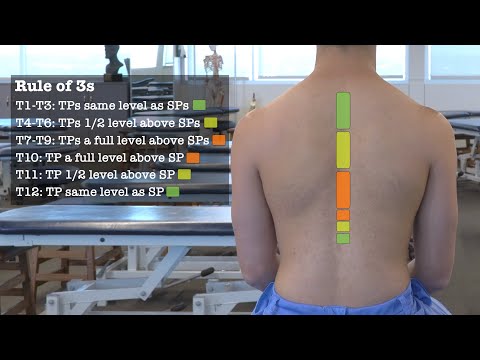
The thoracic spine's unique structure is its superpower. Each of its twelve vertebrae (T1-T12) articulates with a pair of ribs, creating a semi-rigid structure that offers incredible protection for your internal organs. This connection limits its range of motion compared to the neck or lower back, but it's a feature, not a bug! This stability is vital for supporting your upper body and providing anchor points for numerous muscles. 🏋️♀️ Between each vertebra lies an intervertebral disc, acting as a shock absorber and allowing for slight movements. The spinal cord runs safely through the vertebral canal, with thoracic nerves branching out to innervate your torso and organs. Key features include the long, downward-sloping spinous processes and facets that guide rotation and side bending. Understanding this intricate design helps appreciate why conditions affecting the thoracic spine can have widespread effects.
§3Common Conditions & Symptoms [CONDITION] [SYMPTOM] [STRONG EVIDENCE]
While less prone to herniated discs than the lumbar spine, the thoracic spine isn't immune to issues. Common conditions include thoracic disc herniation, vertebral compression fractures (especially in older adults or those with osteoporosis), and scoliosis, a sideways curvature of the spine. 😬 Thoracic outlet syndrome can also manifest with symptoms related to nerve or blood vessel compression in the area. Symptoms often include mid-back pain, stiffness, or pain that wraps around to the chest or abdomen, sometimes mimicking heart or lung issues. Other signs might be postural dysfunction, muscle spasms, or even referred pain to the arms or legs, though this is less common than with cervical or lumbar spine problems. Always remember, persistent or severe pain warrants professional attention.
§4When to See a Doctor: Red Flag Symptoms [NEEDS CAUTION]
While occasional mid-back pain can often be managed with rest and conservative treatments, certain symptoms in the thoracic spine warrant immediate medical evaluation. 🚨 These 'red flags' suggest a potentially more serious underlying issue. You should consult a healthcare professional if you experience any of the following:
- Sudden, severe mid-back pain after an injury or fall.
- Pain accompanied by fever, unexplained weight loss, or night sweats.
- New or worsening neurological symptoms like numbness, tingling, weakness in the arms or legs, or difficulty walking.
- Loss of bowel or bladder control.
- Pain that doesn't improve with rest or over-the-counter pain relievers.
- Pain that radiates to the chest and is accompanied by shortness of breath or arm pain (could indicate a cardiac issue). Early diagnosis is key for effective management of many spinal conditions.
§5Diagnosis & Treatment Approaches [DIAGNOSTIC] [TREATMENT] [STRONG EVIDENCE]
Diagnosing thoracic spine issues typically begins with a thorough physical examination, including assessing range of motion, posture, and neurological function. Imaging tests like X-rays, MRI (Magnetic Resonance Imaging), or CT scans may be used to visualize the bones, discs, and nerves. 📸 Once a diagnosis is made, treatment often starts with conservative management. This can include physical therapy to improve thoracic mobility and strengthen supporting muscles, medications for pain and inflammation, and postural correction exercises. For some conditions like scoliosis, bracing might be recommended. In rare cases, if conservative treatments fail or if there are significant neurological deficits, surgical intervention may be considered, such as thoracic fusion or disc removal. The goal is always to reduce pain, restore function, and prevent recurrence.
§6Maintaining Thoracic Health: Daily Habits [LIFESTYLE] [EXERCISE] [COMMUNITY REPORTED]
Keeping your thoracic spine happy and healthy is all about mindful movement and good habits! 💪 Since we spend so much time hunched over screens, thoracic mobility exercises are crucial. Simple movements like cat-cow stretches, thoracic rotations, and foam rolling can help prevent stiffness and improve posture. Strengthening your core muscles and back extensors also provides vital support. Pay attention to your ergonomics at work and home – ensure your chair supports the natural curves of your spine and your screen is at eye level. Regular physical activity like walking, swimming, or yoga can significantly contribute to overall spinal health. Remember, a little preventative care goes a long way in keeping your mid-back marvel strong and pain-free! 🌟
This information is for educational purposes only and does not constitute medical advice.
Medical Guidance Required
This information is for educational purposes only. Spine conditions can be serious — always consult a qualified spine specialist, orthopedic surgeon, or physiatrist before starting any treatment, exercise program, or making health decisions.
Sources & References
5Wikipedia: Thoracic vertebrae
Provides a comprehensive overview of the anatomy, function, and clinical significance of the thoracic vertebrae.
National Institutes of Health (NIH) - MedlinePlus: Thoracic spine
Offers reliable information on the thoracic spine, its structure, and common associated conditions from a trusted government health agency.
American Academy of Orthopaedic Surgeons (AAOS): Spine Conditions
Provides patient-focused information on various spine conditions, including those affecting the thoracic region, from a professional medical organization.
Journal of Anatomy: The Thoracic Spine - An Anatomical and Functional Review
An academic journal that publishes peer-reviewed research on human anatomy, including detailed studies on the structure and biomechanics of the thoracic spine.
Cleveland Clinic: Thoracic Spine
A reputable medical institution providing accessible information on the thoracic spine, its purpose, and common problems.
Sources are AI-identified references. Always verify information with primary sources.